

Explore the 2027 Chevy Bolt EV at Blossom Chevrolet Indianapolis
Buying a new car is a big deal. An electric one can feel even bigger, mostly because there are new terms, new costs, and a lot of questions that don’t always come with simple answers (and yeah, it can feel overwhelming at first). Anyone looking at the 2027 Chevy Bolt EV at Blossom Chevrolet in Indianapolis is usually thinking past the sticker price right away. That’s a good instinct. Long-term costs often matter more than people expect. Insurance usually comes up early. Safety does too, along with how an EV fits into daily routines and a real, working budget. In my view, starting with these questions often means fewer surprises later.
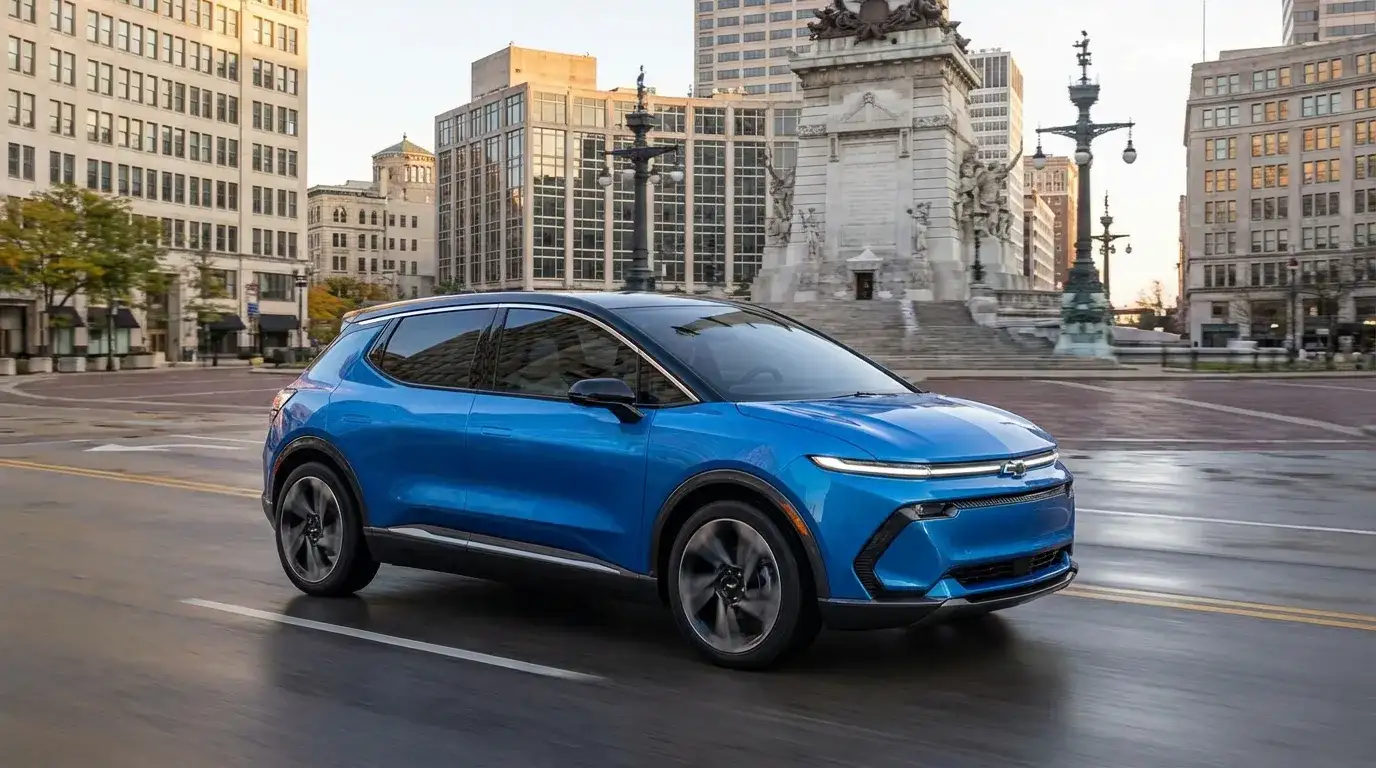
Many drivers today want an affordable electric vehicle that still feels familiar and easy to live with, especially when ownership costs and insurance are part of the picture. The Chevy Bolt EV has filled that role for years. It’s often described as simple and approachable, which helps explain its appeal. With the 2027 model coming back, interest has grown again, and curiosity usually turns into practical questions pretty fast. Blossom Chevrolet Indianapolis helps shoppers move past the test drive and look at real-world details, the kind that tend to come up once you’re back on the road.
This guide looks at what helps the 2027 Chevy Bolt EV stand out, reviews Blossom Chevrolet from an everyday point of view, and examines how Indiana buyers are comparing it with other EVs. No hype, just context. It also connects EV ownership with insurance planning, including auto coverage, home insurance linked to charging equipment, and bundling options that can add up over time.
Why Blossom Chevrolet Indianapolis Stands Out for EV Buyers
Not every dealership feels the same, especially once shoppers start looking at electric vehicles, and most people notice that pretty quickly. Blossom Chevrolet Indianapolis has built a solid reputation by helping everyday drivers get comfortable with EV ownership in a calm, no-pressure setting, which is often harder to find than it sounds. That approach can settle nerves more than people expect, especially when it’s a first electric car and the questions are still very basic. It also helps knowing those questions are normal and come up all the time.
Many Blossom Chevrolet reviews mention clear pricing, patient staff, and a real understanding of how EVs work in daily life, not just on paper. Buyers often say they feel informed and relaxed instead of rushed, which matters once financing details and long-term costs come into play. Choices made at this point can affect budgets for years, from insurance to maintenance planning. Dealerships that focus on explaining things clearly usually leave people feeling confident long after they drive away.
As an Indianapolis Chevy dealership, Blossom Chevrolet brings local experience into the conversation. Indiana weather changes fast, road conditions vary, and commute needs aren’t the same for everyone. That local knowledge helps when talking about trim options, realistic driving range, winter driving habits, and home charging setups, whether charging happens in a garage or a driveway. The guidance tends to feel practical instead of generic.
Inventory access is another reason shoppers take notice. With the 2027 Chevy Blot EV in stock, there’s less waiting and less uncertainty around pricing. Having vehicles available makes it easier to handle trade-ins, financing, paperwork, and insurance without dragging the process out.
Buying from a dealership that understands EVs often leads to fewer surprises later. Clear expectations around battery warranties, safety features, resale value, and how lenders and insurers view electric vehicles can make ownership smoother overall. That kind of clarity usually makes a real difference.
2027 Chevy Blot EV Overview and What Changed at Blossom Chevrolet Indianapolis
The Chevy Blot EV returns for 2027, and this update feels like more than a quick touch-up. It looks shaped by years of owner feedback and by what drivers care about in everyday use, the small, practical details. The goal is pretty clear: keep the price reasonable and smooth out parts of ownership that can get annoying over time. Fewer hassles during a normal week often matter more than eye-catching upgrades, and this update leans into that idea. It’s an approach that makes sense.
For 2027, the Chevy Blot EV gets updated battery tech with a stronger focus on safety and long-term reliability. You can see that in how the battery manages heat and gradual wear. Those details often matter more for peace of mind than raw performance stats. It can even affect insurance talks (which are rarely fun). Safer battery designs usually lower the risk of serious issues, and over time that tends to lead to calmer reactions from insurers and regulators. When that trust builds, costs are more likely to stay steady.
Range is still one of the Bolt EV’s strong points. With an estimated 260 miles, many drivers can handle commutes, school runs, grocery trips, and evening errands without charging every night. For many Indiana drivers, that often means plugging in just a few times a week at home, even when cold weather cuts into efficiency.
Chevy also trimmed down the lineup for 2027. Fewer trims mean less guesswork while shopping. Instead of digging through long option lists, buyers can focus on things that shape daily comfort, like driver-assist features and how the seats feel. This simpler setup often helps insurance agents too, since quotes and underwriting move faster when trims and safety features are easier to pin down.
Below is a simple look at how the Bolt EV fits into the affordable EV space.
|
Feature
|
2027 Chevy Bolt EV
|
Why It Matters
|
|---|---|---|
| Estimated Range | ~262 miles | Fewer charging stops and less anxiety |
| Base Price | Under $30,000 | Lower loan and insurance costs |
| Battery Design | Updated chemistry | Improved safety and reliability |
| Trim Options | LT and RS | Simpler buying and insuring |
Chevy Bolt EV Features That Matter for Real Life
Big screens and flashy tech are easy to notice, but they’re not what most drivers depend on every single day. The Chevy Bolt EV features that matter most are often the quieter ones that simply work in the background. For 2027, Chevy seems to focus more on everyday needs, commuting, running errands, and fitting into tight grocery store parking spots, instead of chasing every new gadget that’s appearing.
Safety usually gets attention first, and that makes sense. The Bolt EV comes standard with automatic emergency braking, lane assist, blind-spot monitoring, and pedestrian detection. These features are designed to step in during unpredictable moments, especially on short city drives and busy commutes, which is where many small accidents happen. Insurance studies often show that vehicles with advanced driver assistance systems see clear drops in certain types of claims, sometimes even reaching double-digit percentages. To me, that’s a meaningful benefit.
Inside the cabin, the infotainment system keeps things simple. It reacts quickly and doesn’t assume drivers are tech experts. Clear screens paired with real buttons help keep eyes on the road, which can support safer driving habits and may help avoid long-term insurance issues.
Charging is another area where everyday use matters. Most owners plug in at home overnight, and it quickly becomes routine. That does connect to home insurance, though. Installing a charger may mean checking your policy to confirm electrical upgrades are covered and meet local rules. It’s usually straightforward, but worth confirming.
Climate control also matters more than people expect, especially in Indiana. The Bolt EV is built to handle cold winters and hot summers without large range changes. That consistency makes trip planning easier, keeps monthly costs steadier, and can simplify how insurance risk is assessed.
Real-world reviews often reveal things a spec sheet can’t. Seeing how people actually live with the car helps create a clearer picture of daily ownership and makes it easier to decide if it truly fits everyday life.
Understanding Chevy Bolt Trim Levels and Pricing at Blossom Chevrolet Indianapolis
Chevrolet Bolt EV pricing is usually one of the first things buyers want to understand, and this lineup keeps it pretty straightforward. For 2027, Chevy sticks with just two main Chevy Bolt trim levels. That simplicity helps many people decide faster, especially if they don’t enjoy overthinking car choices. Rather than stacking on lots of options, the setup stays easy to follow, which makes side-by-side comparisons feel less overwhelming.
The LT trim focuses on value. It comes with the key safety tech and everyday interior features most drivers actually use, while still offering the same driving range as the higher trims, which catches some shoppers off guard. In real-world driving, this trim often checks all the boxes and skips extras that don’t see much use. Since the starting price is lower, insurance costs for full and collision coverage can also be a little easier on the budget, which is a nice practical benefit.
The RS trim leans more into style. Sportier design touches, bigger wheels, and upgraded interior details are easy to notice, even if many are more about looks than function. The higher price may lead to slightly higher insurance because of replacement value, but it can feel like a reasonable upgrade for buyers who want a bolder look without stepping into luxury EV pricing. Style tends to matter most when it fits the budget.
Here is a clear breakdown to help compare.
|
Trim
|
Estimated Starting Price
|
Best For
|
|---|---|---|
| LT | $28,995 | Budget-focused daily drivers |
| RS | $32,995 | Drivers wanting style upgrades |
When planning the total cost, it’s smart to factor in insurance, registration, taxes, and charging equipment, since these extras can add up quickly, like installing a home charger after buying the car.
EV Ownership and Auto Insurance Basics
Electric vehicles do change how insurance works, but usually not as much as people expect, and that can still surprise some drivers. Auto insurance for the Chevy Bolt EV follows the same basics as a gas-powered car. Liability and physical damage coverage work in familiar ways, so you don’t have to learn a whole new system just because the car runs on electricity.
One reason the Bolt EV often feels simpler to insure is its price. Since it costs less than many other electric cars, insurance is often easier to manage. Repair costs are usually lower than with high-end EVs, and parts are easier to find than they were a few years ago, which helps after things like a small fender bender. Smaller claims often help keep premiums more stable over time, in most cases.
Safety matters too, and its impact tends to show up over time. Cars with solid safety records can qualify for better rates as insurers rely more on real safety data instead of brand names.
Mileage also matters. Many EV owners drive fewer miles since charging happens at home overnight. Fewer miles usually mean lower risk, which can lead to discounts.
When shopping for insurance, comparing quotes really helps. Why stick with just one price? Looking at several insurers shows how the Bolt EV is priced across the market and can reveal noticeable differences between quotes.
Bundling Insurance for Bigger Savings
Savings usually catch attention first. Bundling auto and home insurance can lower costs by about 10 to 25 percent, depending on the provider, and those discounts can really add up over years of paying premiums. Many EV buyers focus only on car insurance, which makes sense, but it can be a bit short sighted (easy to do, honestly).
Once a home charger is involved, home insurance becomes part of the EV picture. This detail is often missed. It helps to confirm that electrical upgrades are covered, so issues in the garage or panel don’t turn into surprises. With bundled policies, communication is simpler, and claims often move faster with less back and forth.
Bundling can also cover renters insurance or an umbrella policy for extra liability protection (not exciting, but useful). This often helps households with multiple vehicles or higher assets, adding peace of mind in most cases.
For families, bundling brings clarity. One provider, one renewal cycle, and one place to review coverage each year makes staying organized easier and lowers the chance of missing something important.
Common Questions New EV Owners Have
What surprises many first-time EV buyers is how fast the worries fade. Charging habits and basic maintenance start to feel normal pretty quickly, often within a few weeks. Once daily use kicks in, there usually isn’t much mystery, I think. Even the insurance paperwork, while still annoying, stops feeling confusing after you’ve gone through it once or twice over a few months.
Maintenance comes up early in these talks, and it’s often cheaper than with gas cars. There are no oil changes or exhaust systems, and fewer moving parts overall, which adds up. Over time, that can save hundreds or even thousands of dollars, and most owners notice it.
Resale value is another common topic. Affordable EVs with strong demand often keep their value better than expected, especially since battery warranties usually transfer. That peace of mind matters to me, especially if refinancing or selling later becomes a real option.
Looking Ahead: The Future of Affordable EVs at Blossom Chevrolet Indianapolis
The return of the Bolt EV points to a wider shift. Automakers are noticing that affordability and reliability usually matter more than flashy luxury ideas for most buyers (especially if you’re just trying to get to work). That’s why simpler designs are showing up again, and for many people, it feels like a welcome change, not a step backward.
Battery costs keep dropping, and charging networks are growing, often one city at a time. Cars like the Bolt feel like an easy starting point for mainstream EV adoption (not a stretch, honestly). For first-time EV owners, this often means fewer surprises and more confidence. It’s a solid move forward.
Insurance models are changing too. As repair data improves, pricing gets more accurate over time. That usually benefits safe drivers and practical vehicles, and the habit of lumping all EVs together slowly fades.
Dealerships like Blossom Chevrolet Indianapolis help by educating buyers early and answering real-world questions before a purchase (the stuff you actually worry about), shaping expectations from day one.
Common questions (yeah, these)
Is the 2027 Chevy Bolt EV expensive to insure?
Compared with many EVs, insurance costs are usually reasonable. I find the Bolt’s price and safety features often help keep premiums manageable, which feels good. The catch? Rates change by driver and location, so it usually pays to compare quotes.
Does Blossom Chevrolet help with EV education?
Yes, that’s right. Blossom Chevrolet reviews often help new EV buyers understand charging, warranties, incentives, and ownership basics, which can feel confusing, using clear, simple explanations meant for first-time owners with no jargon.
Are there only two Chevy Bolt Trim Levels in 2027?
So yeah, there are just two trims, LT and RS. Chevy kept it simple, which helps here, letting you choose faster and often making financing or insurance easier for most buyers.
Usually, no, coverage often already applies, but it’s still smart to check your policy (a quick peek helps). If you’ve done electrical upgrades or added a detached garage setup, letting them know keeps coverage complete and avoids surprises.
Is the 2027 Chevy Blot EV good for families?
I think it’s generally a good choice for small families and commuters. You usually get safety features, cargo space, a solid range, and predictable costs, which help make everyday life easier.
The Smart Way to Move Forward
What makes the 2027 Chevy Blot EV at Blossom Chevrolet in Indianapolis appealing often goes beyond just going electric. I think it usually comes down to steady performance and efficiency that hold up over time, which is what most people care about anyway. When you have a clear understanding of chevrolet bolt ev pricing and features, along with basic insurance details, better choices tend to follow. That often means fewer surprises and stronger budget control, something you’ll likely be glad to have later.
Already comparing policies or thinking about bundling auto and home insurance? That’s a good moment to pause and look at the full picture, not only the monthly payment. In my view, matching a practical EV with smart insurance planning often keeps costs easier to track and decisions simpler over time.
0 comment(s) so far on Explore the 2027 Chevy Bolt EV at Blossom Chevrolet Indianapolis