

Should You Buy a One-Year-Old Car?
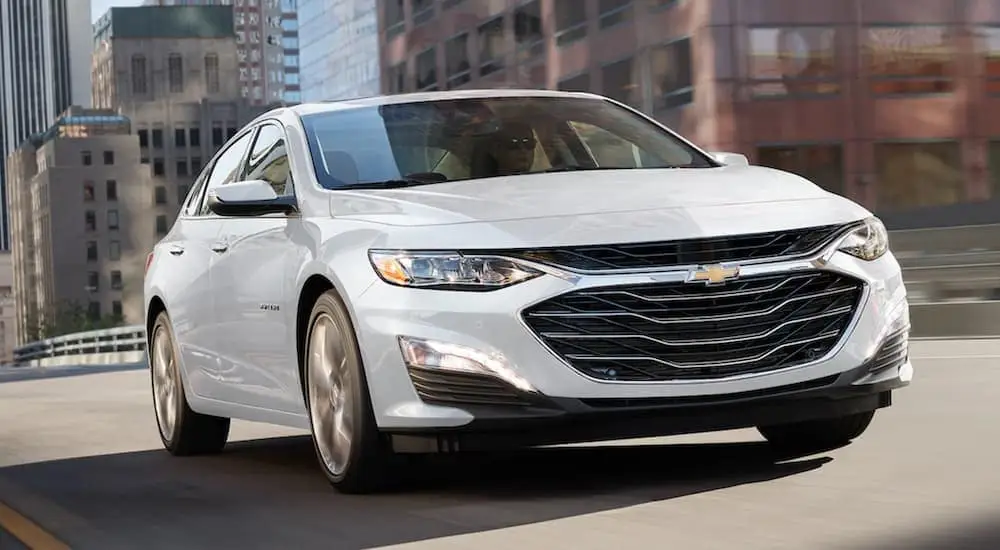
Although there are many factors to consider, it is generally better to buy a one-year-old car if you are looking to save money and skip out on the first year of depreciation on a vehicle. It’s important to remember, however, that most of the depreciation occurs throughout the first three to five years of a vehicle’s lifespan, which means that a one-year-old model will still have a lot of depreciation yet to occur. As your Plainfield Chevy dealership, we here at Blossom Chevy have many fantastic used vehicles available, including late-model options from the last few years.
It’s important to keep in mind that we’re always here to help you decide on the perfect vehicle with everything you need. No matter what you’re looking for, you can call, chat with us online, or come visit us to discuss your options and find out more. That being said, let’s consider some of the questions we’re often asked about these vehicles and the pros and cons of choosing a pre-owned vehicle that’s just one year old compared to a new model.
How Much Cheaper Is a One-Year-Old Car?
There are many factors that can impact the price of an older car, but in general, a one-year-old car should be about 15-20% cheaper than when it was sold as new. It’s very important to keep in mind two things: first, this is an average that will vary significantly from one model to another; and second, right now, things are still a bit crazy with the used-car market. The impact of COVID and the chip shortage on the auto industry has still not abated, which means used vehicles are often priced much higher than expected, so keep that in mind as you’re looking at different vehicles and one-year-old cars.
On average, a brand-new vehicle loses about 10% of its value the moment it is driven off the dealership lot and then about another 10% over the course of the first year that it’s used. After this initial depreciation, the car will continue to lose an average of about 10% of its current value each year for the next three to five years, resulting in about 50% total loss of value in the first five years. After this five-year window, depreciation continues but slows down significantly, which is why many people look at the three-to-five-year period for a used car as the ” sweet spot” for saving money while still getting the latest features.
How Many Miles Should a One-Year-Old Car Have?
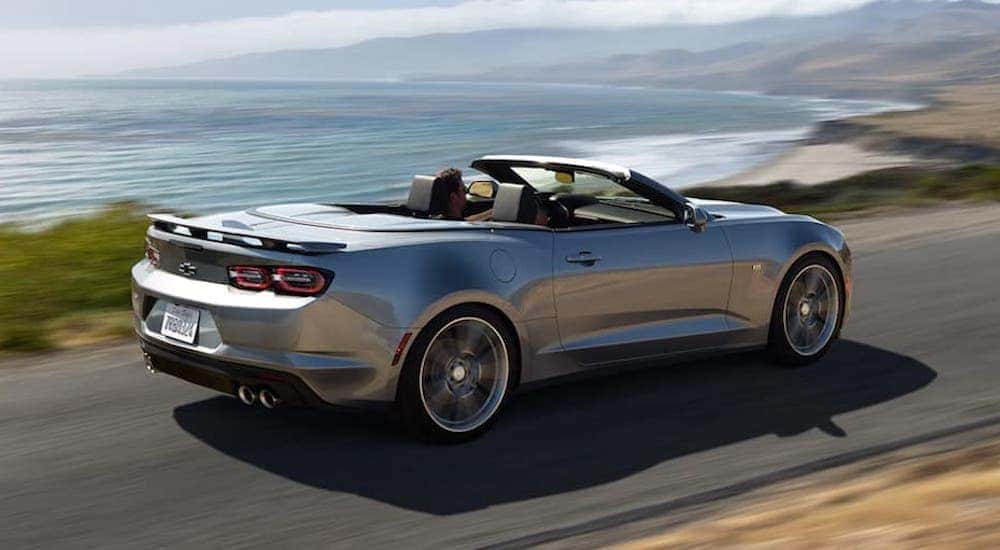
When shopping for a late-year used model, a one-year-old car should have at most about 15,000 miles on it, though about 12,000 miles is even better. Although there’s no hard and fast rule on this, about 12-15,000 miles per year is often viewed as the industry standard for typical usage on a vehicle. You can see this when you look at new vehicle warranties, which will often use these kinds of averages. For example, a brand-new Chevy vehicle comes with a 3-year/36,000-mile bumper-to-bumper limited warranty along with a 5-year/60,000-mile powertrain limited warranty. In both cases, they’re based on an average of 12,000 miles per year to keep overall usage pretty balanced.
As you are shopping for a used model, these are the numbers you should keep in mind – anything beyond 15,000 miles on a one-year-old car is pretty heavy use. An extra few hundred miles might not mean much, but if you are looking at a vehicle that is just 12 months old and somehow has 30,000 miles on it, you really have to wonder what it was used for. The biggest issue with heavy use on a car is that it requires extra maintenance and aggressive service to keep it in great shape, which means you want to check the service records for such a vehicle before making a purchase.
This average extends throughout numerous years of use, so a two-year-old car should have about 30,000 miles or less on it, a four-year-old car should have about 60,000 miles on it, and so on. You want to look for vehicles with mileage lower than this whenever possible, as less use means less wear and tear on the engine, transmission, brakes, and other components. No matter how many miles are on it, however, it’s still a good idea to have it inspected and to shop with a dealership you trust to only offer used vehicles in great condition.
Is a One-Year-Old Car Better Than a New Model?
Regarding which is better, it depends on everything you are looking for in your next vehicle. If you are looking to save money, then any used model will probably be better for you than one that’s brand-new since used cars are almost always less expensive than the same model offered as new from the manufacturer. A one-year-old car will cost less than a new vehicle, and you’ll skip out on that first year of depreciation, which can be a lot of its value.
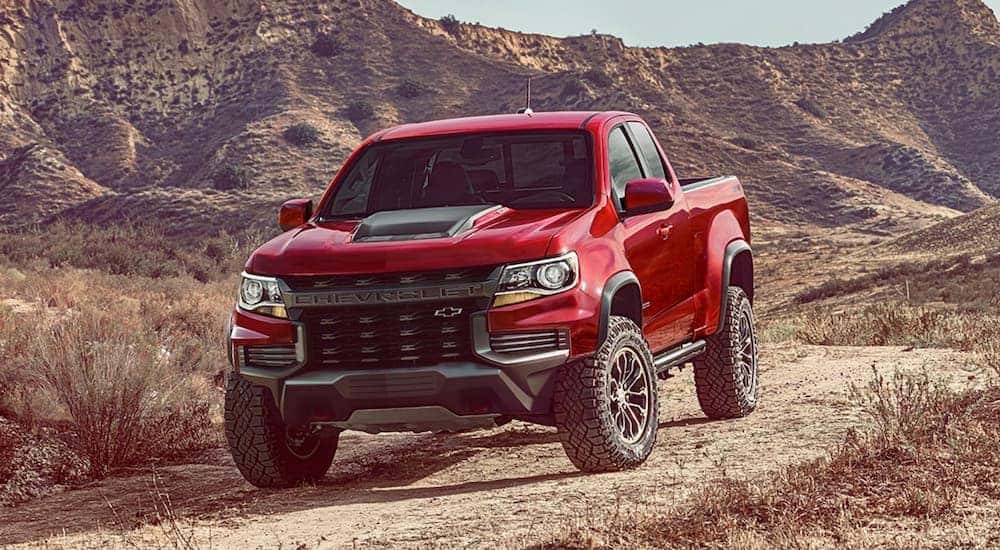
It’s important to remember, however, that not all vehicles lose their value at the same rate as every other. Tesla models, for example, have very little depreciation due to how desirable these vehicles remain even after several years. Similarly, the Toyota Tacoma, GMC Sierra, and Chevy Colorado all have much lower depreciation than even 10% in the first year. The type of vehicle you’re looking at has a big impact on this: sports cars and luxury models tend to depreciate the fastest since many fans of those types of vehicles want the latest and greatest, while trucks and off-road models depreciate very little in their first year.
What Are My Other Late-Model Options?
If saving money is your top concern when shopping for a car, then you’ll want to go a bit further than just one model year in age. As we mentioned above, depreciation continues pretty heavily (on average) for the first three to five years after a vehicle is sold as new. While the biggest single-year loss of value occurs right away, you’ll still save more money every year you’re willing to go back on a model. Ultimately, however, you’ll need to consider all of your options and balance your decision around what you’re looking for, what’s available, and anything really specific to your needs from a vehicle.
For example, if some recent tech features or safety systems are very important to you, you’ll need to choose a model year recent enough to have those. Something like a rear-view camera system will be standard on any model that’s even five years old, but automated systems and features will typically require a more recent vehicle. This is why it’s so important to work with salespeople you can trust when you’re shopping for a used car since they can help you look at all of the options available to you and compare different models to find everything you need at the right price.
In the end, a one-year-old car is a great choice for saving a good chunk of money compared to a brand-new model while still finding the latest features. Just remember that not all models will depreciate at the same rate, and right now is a bit of an unusual situation for pricing on used cars. With that in mind, you’ll still find great one-year-old models with low mileage at a fair price as long as you’re shopping at the right dealership.
0 comment(s) so far on Should You Buy a One-Year-Old Car?